

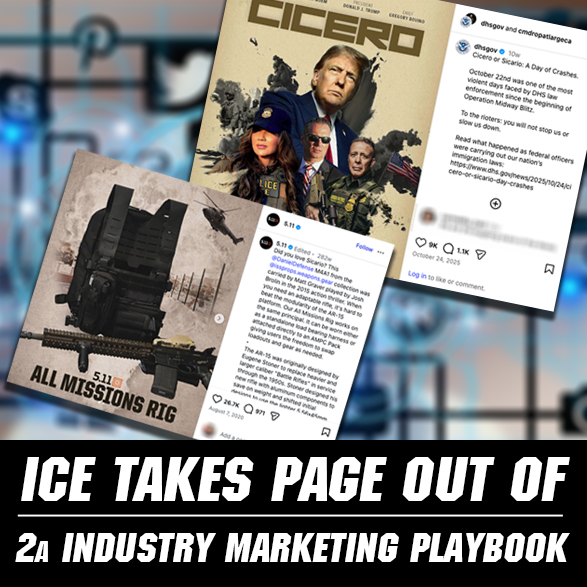
U.S. Immigration and Customs Enforcement (ICE) launched an ambitious, high-budget effort to hire thousands of new deportation officers. According to reports, the agency planned to invest $100 million over one year in a so-called “wartime recruitment” push. This campaign heavily targets military enthusiasts, veterans, and individuals interested in guns, tactical gear, and patriotic content—mirroring many marketing strategies long used by the firearms industry.
Why This Push Stands Out
The strategy, detailed in an internal DHS document shared last summer (2025), goes beyond traditional job postings. ICE aims to “flood the market” with ads across TV, radio, podcasts, social media, and more. Key targeting includes:
- People attending gun shows and trade shows
- UFC fight attendees
- Listeners of “patriotic podcasts” and conservative radio
- Users with demonstrated interest in “guns and tactical gear“
- “Conservative thought leaders” and gun rights organizations
A standout technique is geofencing—sending targeted social media ads to phones of anyone who visits locations near gun shows, military bases, NASCAR races, or college campuses.
To reach younger demographics (especially Gen Z and millennials), ICE allocated at least $8 million for influencers and live streamers in “tactical/lifestyle enthusiast communities”—similar to how “guntubers” (YouTube gun reviewers and promoters) build audiences for firearm brands.
Parallels to Gun Industry Marketing
The Smoking Gun and other outlets highlight striking similarities between ICE’s approach and how gun manufacturers have marketed AR-15s, pistols, and tactical accessories for years:
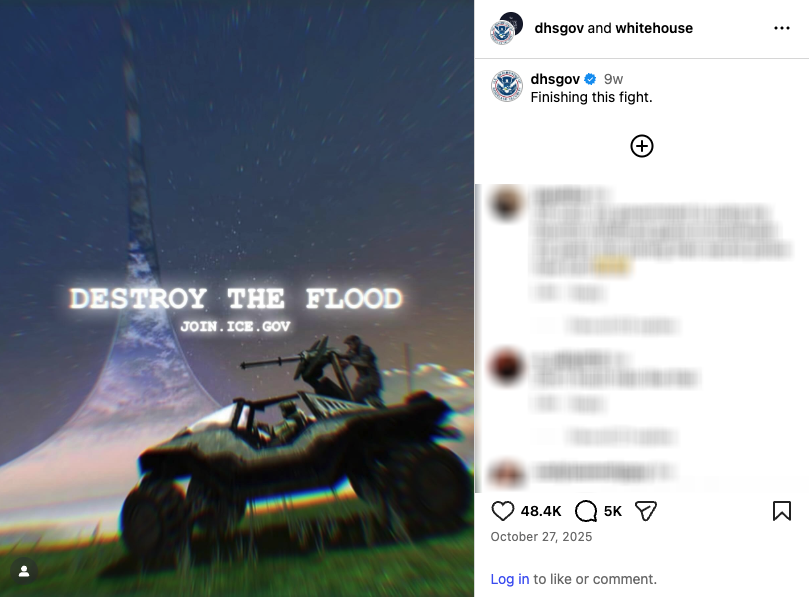
- Hyper-masculine, militaristic imagery — ICE posts reference action movies like Sicario (showing agents in high-stakes operations), video games like Halo and Call of Duty, and even an AI-generated Christmas video of Santa Claus making immigration arrests.
- Pop culture mashups — Some DHS/ICE social media uses trending songs and memes to frame enforcement as exciting and heroic.
- Influencer & community focus — Just as gun companies partner with influencers to promote “military-grade” gear to enthusiasts, ICE taps similar networks.
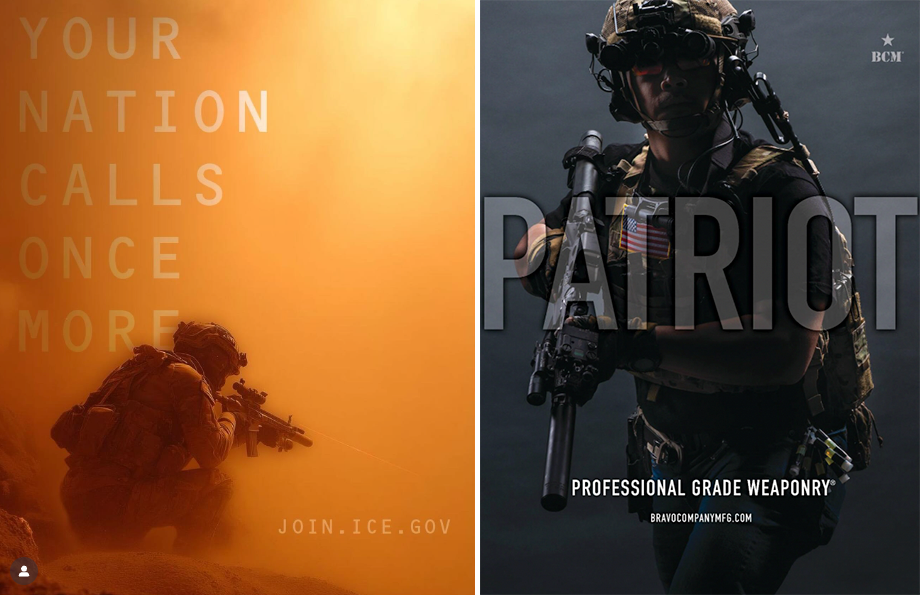
ICE Instagram posts echoing AR-15 maker Spike’s Tactical and Bravo Company Manufacturing ads
Stylized images reminiscent of firearm retailer Big Daddy Unlimited (post-Kyle Rittenhouse acquittal content styled like old Rhodesian army posters)
Promotions from brands like Daniel Defense and GrabAGun (backed by figures like Donald Trump Jr.)
These tactics tap into the same audience: people drawn to themes of power, patriotism, protection, and action-oriented “warrior” lifestyles.
Criticisms and Concerns
Critics argue this approach is polarizing and risks attracting the “wrong” candidates. Former ICE Director Sarah Saldaña warned that framing jobs as part of a “war“—combined with rapid hiring and big bonuses—could draw “untrained recruits eager for all-out combat.”
Marketing expert Americus Reed described it as targeting “people who’ve got something to prove, who want to have that power, under the guise of patriotism.” Some communities have pushed back, like a transit agency in Long Beach removing ICE ads from buses due to the “uncertainty and fear” they caused.
The campaign has coincided with real-world incidents, including the fatal shooting of U.S. citizen Renee Nicole Good by an ICE agent in Minneapolis, which intensified debates over enforcement tactics.
—
Whether viewed as smart, modern marketing or concerning “toxic” propaganda, ICE’s strategy represents a shift toward aggressive, culture-war-infused recruitment. It borrows heavily from the gun industry’s playbook of building loyalty through lifestyle appeal, influencers, and action-hero fantasies.
As the agency continues hiring (with reports of massive application numbers), this $100M experiment will likely shape how federal law enforcement positions itself in a divided America.