


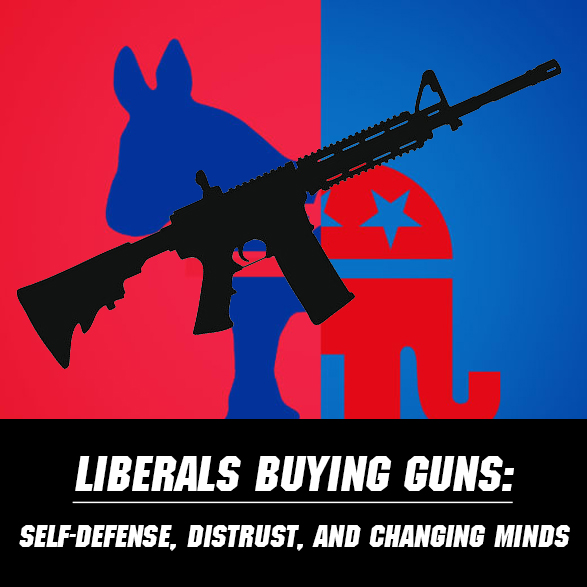
It’s not the headline you might expect in 2026, but the numbers and stories don’t lie. A growing number of liberals, Democrats, people of color, women, and LGBTQ+ individuals are heading to gun shops and ranges—not out of a sudden love for traditional gun culture, but driven by fear, self-protection, and a rethinking of what the Second Amendment means when the political winds shift.
I’ve dug into recent reporting from NPR and The Christian Science Monitor to pull this together. What emerges is a fascinating, sometimes uncomfortable evolution in American gun ownership. It’s reshaping debates on safety, rights, and trust in institutions. Let’s break it down.
The Numbers Tell a Clear Story
According to an NBC News survey highlighted in the reporting, Democratic households with guns jumped from 33% in 2019 to 41% by around 2024. That’s a significant rise, even as overall gun sales have cooled from the 2020 pandemic peak of about 22 million. Annual sales still hover around 15 million, higher than pre-pandemic levels.
Liberal-leaning gun clubs are seeing explosive growth. The Liberal Gun Club reported membership surging 66% (from 2,700 to 4,500) in the year leading up to early 2026, with training requests exploding. Groups like the Socialist Rifle Association, Pink Pistols, and A Better Way 2A are expanding classes and welcoming newcomers who never thought they’d own a firearm.
Ranges that once catered mostly to conservative crowds are noticing more diverse faces—women in pink stockings practicing quick-draw, Black suburban dads training with their college-age daughters, and progressives seeking welcoming spaces.
So, Why the Change? It’s Not Just One Reason
The reporting points to a mix of immediate triggers and deeper shifts:
- Political climate and fear of unrest: Many new owners, like “Charles” in the NPR piece (a Black liberal suburbanite who grew up anti-gun), cite worries about civil unrest, aggressive federal actions, or rhetoric that feels threatening. After Trump’s second term began, incidents like arrests of students, clashes with officials, and high-profile shootings have amplified concerns. Charles put it plainly: He wants to protect his family if “the streets become something we don’t recognize.”
- The Alex Pretti and Renee Good incidents: The January 2026 shootings in Minneapolis—where a legally armed man trying to help was killed by federal agents, and another civilian death—hit hard. Liberal groups say these turned abstract fears into something visceral: “If it can happen to them, it can happen to me.” It flipped the script for some, making guns seem like a check against potential government overreach rather than just a conservative talking point.
- Self-defense and empowerment: Trends that started during COVID (women and Black buyers outpacing white men in some shops) have continued. People are seeking training for personal protection amid polarized times. Groups emphasize safe, inclusive education—far from the “stink-eye” some feel at traditional ranges.
- A broader cultural evolution: Sociologist David Yamane, author of Gun Curious, notes that guns are no longer an automatic conservative marker. More people on the left see the Second Amendment as a bulwark against tyranny, especially when they distrust who’s in power. As one organizer said, “Owning a gun now is not an automatic indicator that you’re most likely a conservative.”
Republicans still own guns at much higher rates (about 50% more likely), and many Democrats continue to support stricter laws. But the old stereotypes are cracking.
What This Means for Gun Culture and Politics
This shift is good business for trainers open to everyone, like former Green Beret Edgar Mills at Osprey Shooting Solutions in Georgia. It’s also creating new dynamics: Liberal gun owners are challenging both sides. Some progressives who once cheered “Hell yes, we’re going to take your AR-15” are now rethinking buybacks or blanket restrictions.
On the flip side, it highlights inconsistencies in how people view armed self-defense and government power—whether it’s conservatives worried about “jack-booted thugs” years ago or liberals today concerned about immigration enforcement tactics.
Researchers note that stricter laws do save lives in many studies, yet trust in institutions is eroding across the board. Guns are becoming a “common cause” in unexpected ways.
My Take as I Curate This
This isn’t about picking sides—it’s about reality on the ground. America has always had a complicated relationship with firearms. When people across the political spectrum start arming themselves out of the same basic human instinct for security, it forces a more honest conversation. Hypocrisy exists on all sides, but so does genuine fear.
If you’re someone who’s traditionally been anti-gun but now feels uneasy, you’re not alone. Training, safety, and community matter more than ever. And for longtime owners: Welcoming spaces might just bridge some divides.