

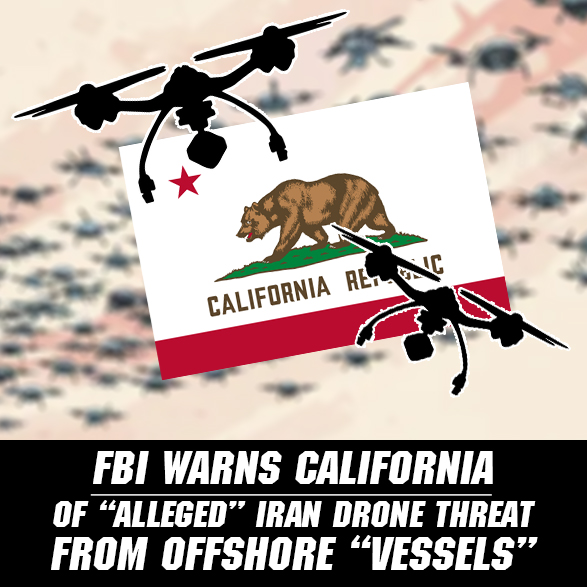
The recent FBI warning about a potential Iranian drone threat to California has sparked concern amid the escalating U.S.-Iran conflict. Here’s a clear, straightforward breakdown of what’s known — and importantly, what isn’t — based on reports from major outlets like ABC News and local California coverage.
What the FBI Alert Actually Says
In late February 2026, the FBI shared a bulletin with law enforcement agencies across California (and possibly broader Joint Terrorism Task Force partners). The key details from the alert:
- As of early February 2026, intelligence indicated that Iran allegedly aspired to carry out a surprise attack using unmanned aerial vehicles (drones).
- These would launch from an unidentified vessel positioned off the U.S. coast (the “United States Homeland”).
- The focus was specifically on unspecified targets in California.
- This was framed as potential retaliation if the U.S. launched strikes against Iran.
Critically, the FBI emphasized: “We have no additional information on the timing, method, target, or perpetrators of this alleged attack.”
The intelligence appears uncorroborated at this stage, described in some reporting as “cautionary” with no evidence Iran currently possesses the means or active plans to pull off such an operation from the Pacific.
Broader Context: Why California and Why Now?
The warning surfaced against the backdrop of intense U.S.-Israeli military actions against Iran, including major airstrikes on February 28, 2026, that reportedly killed Supreme Leader Ali Khamenei and damaged key infrastructure. Iran has responded with drone and other strikes in the Middle East, and the Trump administration has continued operations described as an “ongoing assault.”
Experts note Iran’s history of asymmetric warfare (using proxies, drones, cyberattacks) and its presence/networks in places like Mexico and South America, raising concerns about pre-positioned assets or vessels that could theoretically approach U.S. waters. However, launching effective drones from far offshore against a large coastline like California’s would face massive logistical and detection hurdles.
The alert aligns with separate worries about Iran possibly activating sleeper cells globally, though no direct link to California drones was confirmed in the bulletin.
How California Officials Are Responding
- Governor Gavin Newsom addressed the reports during a press conference, saying his administration has been aware of drone-related concerns “top of mind” since the war began. The state activated its emergency operations center early in the conflict and is coordinating closely with federal, state, and local partners through the State Operations Center and Office of Emergency Services.
- Local agencies (e.g., LA Sheriff’s Department) are maintaining elevated readiness, increasing patrols at sensitive sites like places of worship and cultural institutions, and reviewing response plans.
- Statements from officials stress ongoing monitoring and collaboration, but emphasize there are no imminent or specific credible threats to the public right now.
- President Trump reportedly told reporters he is “not worried” about Iran-backed attacks on U.S. soil.
Bottom Line for Californians
This is a precautionary heads-up based on limited, early-February intelligence — not a confirmed plot or active danger. Law enforcement is treating it seriously by sharing info and boosting vigilance, which is standard for potential asymmetric threats during heightened international tensions.