

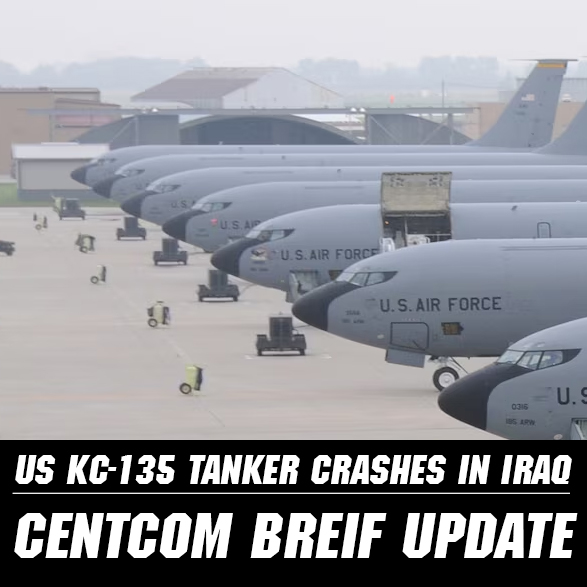
A U.S. Air Force KC-135 Stratotanker has gone down over western Iraq, marking a sobering moment amid escalating U.S. military activity in the region. According to a brief news release from U.S. Central Command (CENTCOM), the crash happened in uncontested airspace while the aircraft supported operations against Iran that kicked off on February 28.
Two KC-135s were involved in the incident. One tanker went down, while the second landed safely. Officials were quick to clarify: “This was not due to hostile fire or friendly fire.” Rescue operations are underway, but details remain sparse—no word yet on casualties, the exact cause, or how many crew members were aboard.
The KC-135 Stratotanker has been the backbone of American aerial refueling for decades. First flying in the 1950s and based on the Boeing 707 airliner frame, these workhorses keep fighters, bombers, and cargo planes aloft across global hotspots. The Air Force still operates around 400 of them, though mission-capable rates hover near 70% based on recent data. A standard crew usually includes a pilot, co-pilot, and boom operator (with some older models adding a navigator).
This loss hits hard because aerial refueling is anything but routine. It’s a high-stakes ballet at 30,000 feet—connecting a boom to a receiver aircraft mid-flight demands precision, and mishaps, while uncommon, do happen. Recent years saw several KC-46 Pegasus incidents where booms got stuck or even tore off during connects. Back in 2013, another KC-135 crashed in Kyrgyzstan while supporting Afghanistan ops, later blamed on autopilot issues and pilot error rather than combat.
In the current context, the tanker was flying as part of broader U.S. efforts against Iran—operations that have ramped up significantly since late February. Tankers like the KC-135 are force multipliers, enabling extended strikes and patrols without constant returns to base. With large numbers of refuelers already deployed (reports suggest over 100 in theater, echoing Iraq War-era levels), incidents like this underline the intense operational tempo and the risks even in “safe” airspace.
The Air Force has long pushed to retire aging KC-135s in favor of the newer KC-46, but delays, budget fights, and delivery problems have kept the old birds flying longer than planned.
For now, the focus remains on the recovery effort and supporting the crew’s families. We’ll keep an eye on updates from CENTCOM as more emerges about what went wrong and what it means for ongoing missions.