

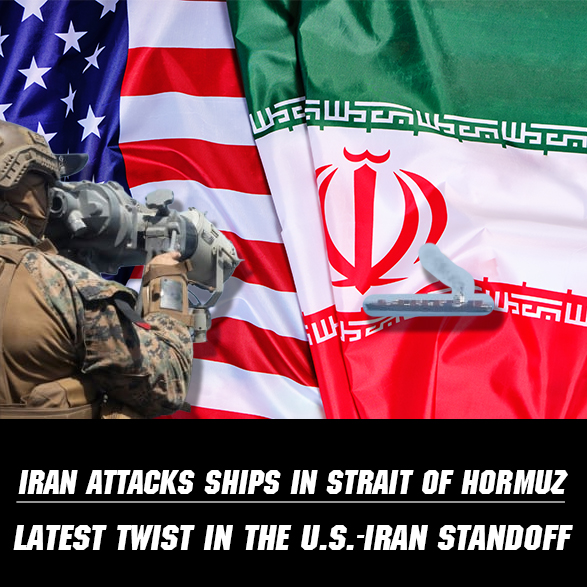
It’s April 22, 2026, and the Middle East is holding its breath again. Just hours before a two-week ceasefire was set to expire, President Donald Trump announced an extension—giving Iran a short window (reports say 3-5 days) to come up with a “unified proposal” for resumed peace talks in Pakistan. But almost immediately, Iran’s Revolutionary Guard Corps claimed to have seized two cargo ships near the Strait of Hormuz, with a third reportedly fired upon and disabled.
This isn’t exactly the de-escalation anyone was hoping for.
From what I’ve pieced together from today’s live coverage on Fox News and The New York Times, both sides are still playing a dangerous game of leverage over the world’s most critical oil chokepoint. The U.S. is keeping its naval blockade firmly in place on Iranian ports, which Tehran calls an “act of war” and a blatant violation of the truce. Iran, meanwhile, is asserting control by targeting vessels it says violated its new rules for passing through the strait.
What Happened Today: Ship Seizures and Ceasefire Extension
- Iran’s Moves: Iranian state media reported that the IRGC seized the MSC Francesca and the Greek-owned Epaminondas, anchoring them near the coast. A third ship, the Euphoria, was reportedly hit and forced to maneuver erratically. These actions come as Iran insists the U.S. blockade must end before any real talks can progress.
- Trump’s Response: The President extended the ceasefire after Pakistan’s leaders (Prime Minister Shehbaz Sharif and army chief Field Marshal Asim Munir) requested more time. Trump emphasized on Truth Social that the pause gives Iran space to present a serious proposal, but he made clear the blockade stays until progress is made. White House officials confirmed it’s not open-ended—likely just days.
- The Human and Economic Toll: In Pakistan, where talks were supposed to happen, ordinary people are already feeling the pinch from skyrocketing fuel prices and disrupted trade. One wholesaler told reporters his truck fees from Iran have nearly doubled, and businesses are closing early to save energy. Globally, airlines like Lufthansa are slashing flights due to jet fuel costs doubling since the conflict heated up.
Iranian President Masoud Pezeshkian said his country is still open to a deal but blamed “bad faith, siege, and threats” for the stalemate. On the U.S. side, White House Press Secretary Karoline Leavitt pushed back hard against media reports highlighting Iran’s remaining military capabilities, stressing the damage done to Iran’s navy, missiles, and infrastructure during “Operation Epic Fury.”
Why the Strait of Hormuz Matters So Much
For those who haven’t been following every update: The Strait of Hormuz is the narrow waterway between Iran and Oman through which about 20% of the world’s oil and a huge chunk of LNG flows daily. When it’s contested or blocked, energy prices spike everywhere—from your gas tank to airline tickets.
Both sides know this. The U.S. and allies are reportedly planning with dozens of countries on how to reopen it safely once a real truce holds. Iran sees control of the strait as its best bargaining chip.
Broader Context: War Powers, Politics, and the Clock
Back in Washington, the 60-day War Powers Resolution clock is ticking—May 1 is approaching, and some Republicans are signaling they won’t support indefinite fighting without Congress signing off. Democrats have tried (and failed so far) to force a vote to rein in the operation.
There’s also the human side: Trump announced that Iran canceled executions of eight women protesters at his request—a small positive note amid the tension. And PEN America just honored two imprisoned Iranian writers, highlighting the regime’s crackdown on dissent.
What Comes Next?
No one expects this extension to magically fix things. Talks in Pakistan are postponed, not canceled. Iran says it’s ready to defend itself; the U.S. has vowed to target energy and transport infrastructure if the ceasefire fully collapses.
For everyday people—whether in Tehran, Rawalpindi, or right here in the U.S.—the big questions are about stability: Will oil prices keep climbing? Can diplomacy actually stick this time? Or are we one misstep away from the blockade turning into something far worse?
This situation is fluid and developing fast. I’ll keep an eye on it, but the key takeaway right now is that “peace through strength” is still very much in testing mode on both sides.