

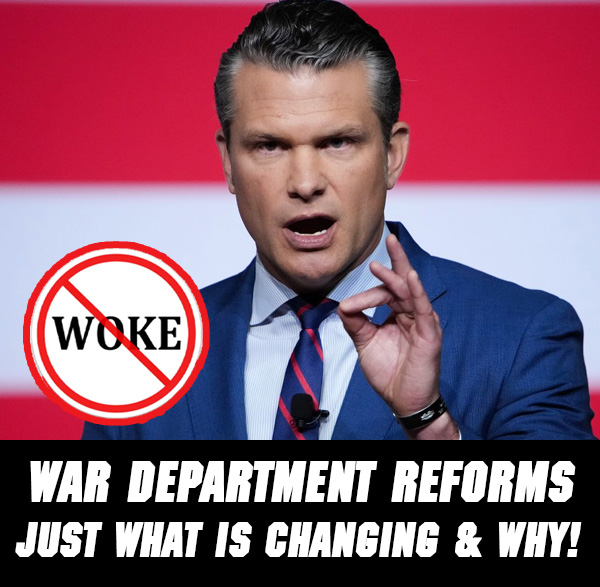
Secretary of War Pete Hegseth delivered a fiery address to hundreds of top U.S. military leaders, unveiling 10 major directives aimed at overhauling the military’s culture, standards, and focus. Flanked by President Donald J. Trump, who also spoke at the event, Hegseth emphasized a return to what he called the “warrior ethos,” criticizing past policies as distractions that weakened lethality. This speech has sparked intense debate, with supporters hailing it as a necessary reset and critics labeling it unhinged and regressive. Below, we break down the key reforms, notable quotes, and reactions from across the political spectrum.
A Rare Summit of Military Brass
The meeting summoned nearly every O-7 and above officer—generals, admirals, and senior enlisted leaders—from around the world on short notice, marking an unprecedented event in recent military history. Held at the Marine Corps Museum in Quantico, Virginia, the gathering was shrouded in mystery initially, with leaders not informed of the purpose until arrival. Hegseth used the platform to announce reforms under the newly rebranded “War Department,” signaling a shift from the “Department of Defense” era to one prioritizing warfighting and peace through strength. President Trump followed, describing it as an “esprit de corps” session focused on positive military achievements.
This comes amid broader changes, including Hegseth’s earlier order for a 10-20% reduction in general and flag officers to streamline leadership. The speech lasted about 45 minutes and covered topics from fitness standards to cultural shifts, drawing on Hegseth’s experiences as a veteran and his criticism of “woke” influences.
Key Reforms Announced in Hegseth’s Speech
Hegseth outlined 10 directives designed to empower leaders, enforce high standards, and eliminate perceived distractions. These changes aim to create a more lethal, merit-based force. Here’s a breakdown:
- Fitness Standards Overhaul: All active-duty members must take two annual fitness tests, including a gender-neutral male standard for combat roles (scoring 70% or higher). Physical training is required every duty day, with National Guard and Reserves maintaining at least one annual test.
-
Grooming and Appearance Rules: Beards are banned except for Special Forces or medical exemptions (with a one-year resolution period). Emphasis on professional appearance, with Hegseth stating, “If you don’t want to shave and look professional, it’s time for a new position or a new profession.”
-
Combat Standards: Return to the “highest male standard” for combat positions, potentially excluding women who can’t meet them. Hegseth noted, “If that means no women qualify for some combat jobs, so be it.”
-
Review of Toxic Leadership Definitions: A full review of “toxic leadership,” bullying, and hazing to re-empower commanders without fear of reprisal. Hegseth argued that enforcing high standards isn’t toxic.
-
Equal Opportunity Reforms: Reforms to end “walking on eggshells” culture, liberating the Inspector General process from being “weaponized” by complainers.
-
Adverse Information Retention: Changes to allow forgivable minor infractions not to hinder careers perpetually, encouraging risk-taking.
-
Merit-Based Promotions: Promotions based solely on merit, accelerating top performers and removing poor ones faster.
-
Reduction in Mandatory Training: Drastic cuts to non-essential training, freeing time for hands-on activities like range practice.
-
Leadership Changes: Continued firings of officers tied to past “woke” policies, with Hegseth urging dissenters to resign.
-
Rules of Engagement and Training: Loosening “stupid” rules for maximum lethality, restoring tough basic training methods, and ensuring every member maintains combat proficiency.
Hegseth framed these under a “Golden Rule” test: Treat your unit as you would your own child’s. He blasted past distractions like DEI, identity politics, and climate focus, declaring, “We are done with that shit.”
Drawing from historical figures like George Washington and WWII leaders, Hegseth stressed preparing for war to ensure peace. He said, “The only mission of the newly restored Department of War is this: warfighting, preparing for war and preparing to win.” Criticizing “foolish politicians,” he targeted diversity initiatives as weakening the force, advocating for unity over diversity. To adversaries, he quipped “FAFO” (a profane acronym for “fuck around and find out”)
Positive Reactions
Republicans largely praised it. Congressman August Pfluger called it “inspiring,” while Senator Lindsey Graham hailed it as a “breath of fresh air.” President Trump endorsed it as “great.” Supporters see it as substantiating a return to merit and lethality, arguing past policies lowered standards and drove out talent.
Criticisms and Fears
Democrats and critics were scathing. Governor Gavin Newsom accused Trump of using troops as “political pawns,” like dictators. Senator Jack Reed called it a “dangerous dereliction of leadership.” Rep. Chrissy Houlahan demanded Hegseth’s resignation, saying it undermines readiness.
Former Pentagon officials dismissed it as “uninspired” and lecturing from an inexperienced Hegseth. A retired fighter pilot highlighted fears over loosening rules of engagement. Progressives ridiculed elements like fat-shaming generals, with columnist Jamelle Bouie calling it “loser shit.” Concerns include backsliding on harassment protections, potential exclusion of women, and risks to military cohesion.
Military leaders remained notably silent, with no visible reactions during the speech, creating a tense atmosphere. A defense official quipped it “could have been an email.” Media outlets like Common Dreams branded it “unhinged,” focusing on costs and insults
International views, such as from Al Jazeera, noted the rollback of political correctness and loosening of discipline, framing it as a controversial shift.
Implications for the U.S. Military
These reforms could reshape the military by prioritizing physical rigor and merit, potentially improving combat readiness but at the cost of diversity and inclusivity. Critics warn of reduced recruitment, especially among women and minorities, and heightened risks of abuse. With ongoing leadership purges, the changes substantiate a cultural pivot under Trump, but their long-term impact remains debated