


On Wednesday, a shocking incident unfolded in Washington state as federal agents arrested two firefighters working to contain the Bear Gulch fire, the largest active wildfire in the region. This confrontation, involving members of private contractor crews, has raised questions about immigration enforcement during emergency response efforts. Here’s a detailed look at the event, its implications, and what it means for wildfire response in the Pacific Northwest.
View this post on Instagram
The Incident: Firefighters Arrested Amid Wildfire Response
The Bear Gulch fire, raging across nearly 9,000 acres on the Olympic Peninsula, has drawn over 400 firefighters, including six 20-person hand crews, five of which are private contractors. On Wednesday morning, two of these crews were tasked with cutting wood near Lake Cushman when federal law enforcement, specifically U.S. Customs and Border Protection (CBP) agents, arrived around 9:30 a.m.
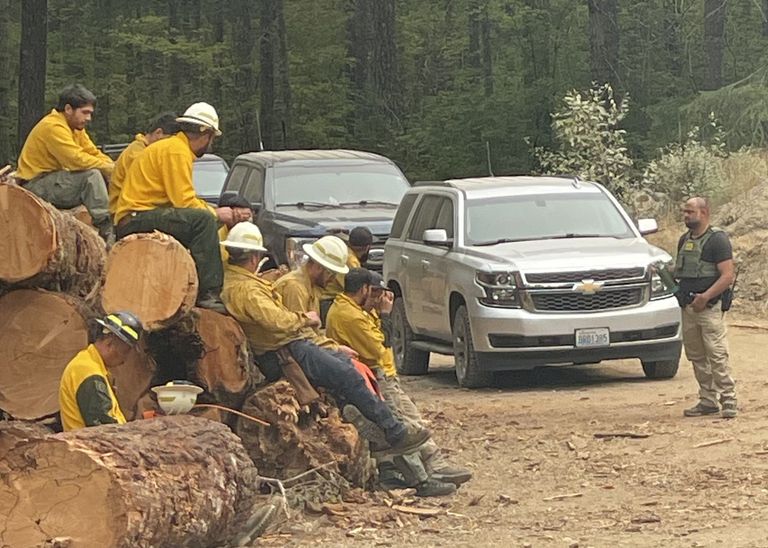
According to firefighters who requested anonymity due to fear of retaliation, federal agents demanded identification from the crew members, instructing them to line up for inspection. Photos and videos from the scene show firefighters in their gear, some sitting on logs, while officers in “Police” vests detained individuals. One firefighter was reportedly restrained, and another was called back by agents when attempting to retrieve a drink from a company vehicle.
The crews were denied the opportunity to say goodbye to the detained firefighters, with one agent allegedly using aggressive language, telling a firefighter to “get the (expletive) out of here.” The reasons for the arrests remain unclear, as CBP, Immigration and Customs Enforcement (ICE), and the Department of Homeland Security did not respond to requests for comment.
Why Is This Unusual?
The arrests are particularly striking because they occurred during an active wildfire response in a remote area, an uncommon setting for immigration enforcement. Federal policy under President Joe Biden’s administration previously stated that, absent “exigent circumstances,” agents would avoid operations at natural disaster or emergency sites. However, it’s uncertain whether this policy is still in effect, especially given the more aggressive immigration enforcement actions seen under President Donald Trump’s administration.
The Incident Management Team overseeing the firefighting efforts acknowledged a “Border Patrol operation” but stated it did not interfere with the response. They directed further inquiries to the Port Angeles Border Patrol station, which has not yet provided clarity.
The Human Impact: Firefighters’ Frustrations
The detained firefighters were part of private contractor crews risking their lives to protect the local community from the Bear Gulch fire, which was only 13% contained as of Wednesday morning. One firefighter expressed frustration, saying, “You risked your life out here to save the community. This is how they treat us.” The emotional toll was evident, as crew members, some of whom were family, were not allowed to say goodbye to those detained.
This incident highlights the challenges faced by wildfire response teams, particularly private contractors, who often include diverse workforces. The arrests have sparked concerns about the treatment of essential workers during crisis situations and the potential chilling effect on firefighting efforts.
The Bigger Picture: Wildfires and Immigration Enforcement
The Bear Gulch fire is a stark reminder of the growing threat of wildfires in the Pacific Northwest, exacerbated by climate change. The Seattle Times’ Climate Lab, funded by organizations like The Bullitt Foundation and the University of Washington, continues to explore how climate change impacts the region. As wildfires become more frequent and severe, the need for robust firefighting crews is critical.
However, incidents like these arrests raise questions about how federal policies intersect with emergency response. Balancing immigration enforcement with the urgent need to address natural disasters is a complex issue, and this event may prompt further scrutiny of current practices.