


The shocking death of Nemesio Oseguera Cervantes, better known as El Mencho, has sent shockwaves through Mexico and beyond. As the longtime leader of the Jalisco New Generation Cartel (CJNG)—one of the country’s most ruthless and powerful criminal organizations—his killing by Mexican security forces on February 22, 2026, marks a major turning point in the ongoing battle against drug cartels. But rather than bringing immediate calm, the event has unleashed chaos, with widespread violence, travel disruptions, and deep fears about what comes next.
How El Mencho Met His End
The operation unfolded in Tapalpa, a quiet, forested town in Jalisco state (about two hours southwest of Guadalajara). Mexican military special forces, backed by helicopters and intelligence support (including key tips from U.S. agencies), tracked him down after monitoring movements tied to a close associate. What started as an attempt to capture him turned into a fierce firefight. El Mencho was seriously wounded, fled into nearby woods with bodyguards, and died en route to medical care—first reportedly to Morelia, then redirected to Mexico City for safety. Authorities confirmed his identity through DNA testing.
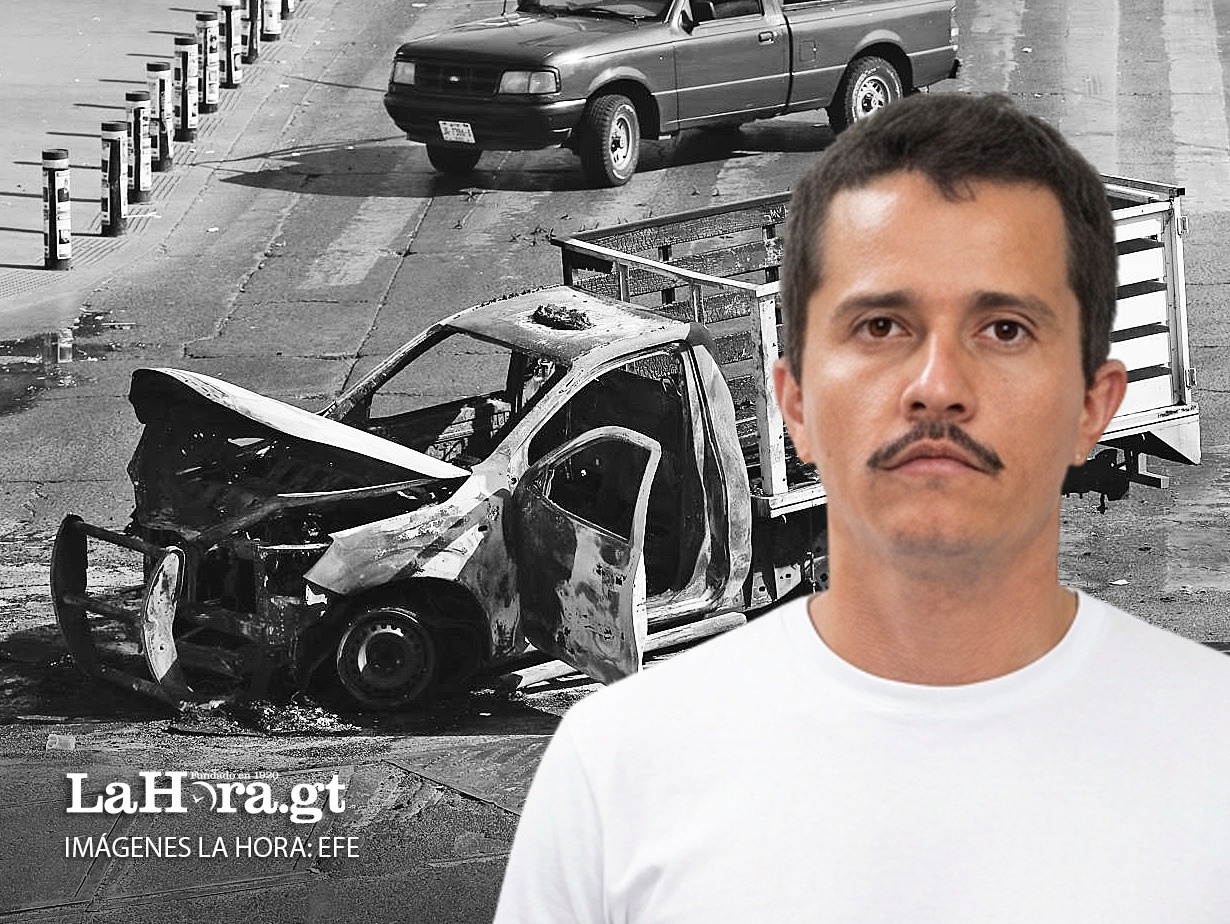
At least eight other cartel members died in the initial clash, along with seizures of heavy weapons like rocket launchers. Tragically, the raid and its fallout claimed dozens more lives: reports indicate around 25 National Guard members killed in retaliatory attacks, plus civilians and additional suspects, pushing the total death toll past 60-70 in the immediate aftermath.
Mexican officials, including President Claudia Sheinbaum, Defense Secretary Ricardo Trevilla Trejo, and Security Secretary Omar García Harfuch, described it as a decisive blow in their intensified campaign against organized crime. Sheinbaum urged the public to stay calm, emphasizing coordination across states and insisting that “normality” was returning in most areas.
The Violent Backlash Across Mexico
CJNG loyalists didn’t wait long to respond. Within hours, suspected cartel members set off a coordinated wave of destruction in at least a dozen (some reports say up to 20) states. Burning vehicles blocked highways, supermarkets, banks, and businesses went up in flames, and gunfights erupted. Guadalajara turned into a ghost town with shuttered streets and panic at the international airport—videos captured crowds fleeing amid rumors of threats. In tourist hotspots like Puerto Vallarta, plumes of black smoke rose from torched buses, taxis, and malls; cruise ships canceled stops, and ride-shares halted service.
View this post on Instagram
States canceled classes, concerts, and soccer matches. Airlines (including major U.S. carriers like Delta, United, and American) suspended or diverted flights to affected areas, stranding travelers—some overnight at places like the Guadalajara zoo under police guard. The U.S. State Department issued shelter-in-place alerts for cities including Guadalajara, Puerto Vallarta, Tijuana, Cancún, and parts of Michoacán and Tamaulipas, though some regions (like Quintana Roo) returned to normal by Monday.
Residents shared harrowing stories: one woman in Puerto Vallarta watched hooded gunmen douse areas with gasoline and set fires, forcing panicked escapes. A Guadalajara local begged people to stay indoors after witnessing senseless brutality. The fear is palpable—many worry this is just the start.

Why This Matters: CJNG’s Power and the Fentanyl Connection
El Mencho built the CJNG into a dominant force over the past decade, outpacing rivals through extreme violence, extortion, migrant smuggling, and massive shipments of fentanyl, methamphetamine, and cocaine into the United States. The cartel became synonymous with brazen attacks—like shooting down helicopters and attempting high-profile assassinations. His $15 million U.S. bounty reflected his status as a top target in the American opioid crisis.
Experts compare this to past “kingpin” takedowns (El Chapo in 2016 or El Mayo Zambada in 2024), which often sparked fragmentation, infighting, and escalated bloodshed as groups splintered. Brookings analyst Vanda Felbab-Brown noted the violence echoes the 2019 Culiacán chaos after Ovidio Guzmán’s brief capture. International Crisis Group analyst David Mora warned rivals might exploit any CJNG weakness, potentially fueling turf wars over U.S. drug routes.
President Sheinbaum has criticized old “kingpin strategies” for causing exactly this kind of fallout, yet the operation came amid U.S. pressure—especially from President Trump, who has threatened stronger measures (even military ones) if Mexico doesn’t curb fentanyl flows. U.S. officials praised the collaboration, with no American forces involved but intelligence playing a key role.
What Happens Next?
The big question hanging over Mexico: succession. If CJNG leaders quickly unify under a clear heir, the group might stabilize. But a power vacuum could lead to internal splits or attacks from rivals like the Sinaloa Cartel, prolonging instability. For now, authorities have deployed thousands more troops, cleared hundreds of roadblocks, and made arrests to regain control.
Many Mexicans feel a mix of relief at seeing a notorious figure taken down and dread over the retaliation. Tourists and locals alike hope things settle soon—flights are expected to resume, and some areas already show signs of cautious normalcy. But the scars of this weekend’s violence, and the uncertainty about the cartel’s future, will linger.