

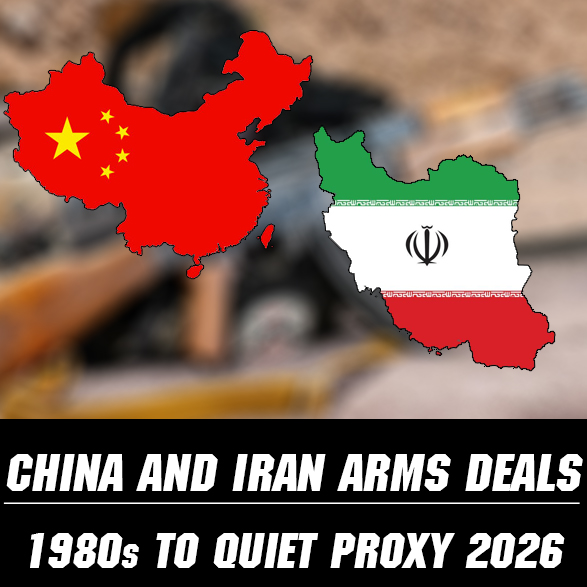
The relationship between China and Iran has always been pragmatic, built on energy needs, strategic balancing, and a healthy dose of deniability. With fresh US intelligence reports swirling this month about possible Chinese missile shipments to Iran, the spotlight is back on how Beijing has quietly supported its Middle Eastern partner over decades—while trying not to blow up its own economic interests.
I dug into the latest reporting, including a detailed New York Times piece from April 15, 2026, and cross-referenced it with historical context and other sources. Here’s a clear-eyed look at how it all evolved—and why it matters right now.
The 1980s Boom: When China Flooded Iran with Weapons
Back when the Iran-Iraq War kicked off in 1980, China was undergoing major economic reforms under Deng Xiaoping. State-owned defense companies suddenly had to earn their own keep. The result? A massive surge in arms exports to Iran starting around 1982, peaking in 1987.
Iran bought everything from missiles and fighter jets to tanks, armored vehicles, and assault rifles. Chinese Silkworm anti-ship missiles became particularly notorious. By some accounts, China became one of Iran’s top suppliers during that period, right behind North Korea at times. It was straightforward commercial business during a brutal war.
Post-Cold War Slowdown and the Sanctions Era
Things changed as international pressure mounted. UN sanctions and US restrictions, especially after the 2010s, forced Beijing to pull back on direct, finished weapons sales. Deliveries from old contracts trickled until around 2015, but new overt arms deals largely dried up to stay compliant with the UN embargo tied to Iran’s nuclear program.
Instead of shipping complete systems, China shifted to dual-use components—parts that could go into civilian tech but also power Iranian missiles, drones, and other military hardware. Think sensors, semiconductors, voltage converters, and chemicals like sodium perchlorate (a key rocket fuel precursor). Iranian drones used in various conflicts have turned up with Chinese parts, and there have been reports of shipments routed through third countries.
This indirect approach let China maintain plausible deniability while still helping its closest strategic partner in the Middle East.
2026 Flashpoint: US Claims, MANPADS, and Trump’s Tariff Threat
Fast forward to now. In early April 2026, US intelligence assessed that China may have shipped shoulder-fired anti-aircraft missiles (MANPADS) to Iran amid its conflict with the US and Israel. Reports also mention preparations for air defense systems, allegedly routed through third parties.
The intelligence isn’t ironclad, and China has forcefully denied it, calling the claims “pure fabrication.” Beijing says it follows strict export controls and international obligations. President Trump responded by threatening an extra 50% tariff on Chinese goods if the reports hold up, though he later suggested Xi Jinping assured him in letters that no weapons would be sent.
This would mark a notable escalation if confirmed—moving from components to actual finished weapons during active conflict.