


On February 25, 2026, a dramatic and deadly confrontation unfolded off the coast of Cuba, when border guard troops opened fire on a Florida-registered speedboat that had entered Cuban territorial waters. According to statements from Cuba’s Ministry of the Interior, four people aboard the vessel were killed, and six others were injured during the exchange of gunfire. The incident has sparked outrage in Florida and calls for investigations on the U.S. side, amid already strained relations between Washington and Havana.
What Exactly Happened?
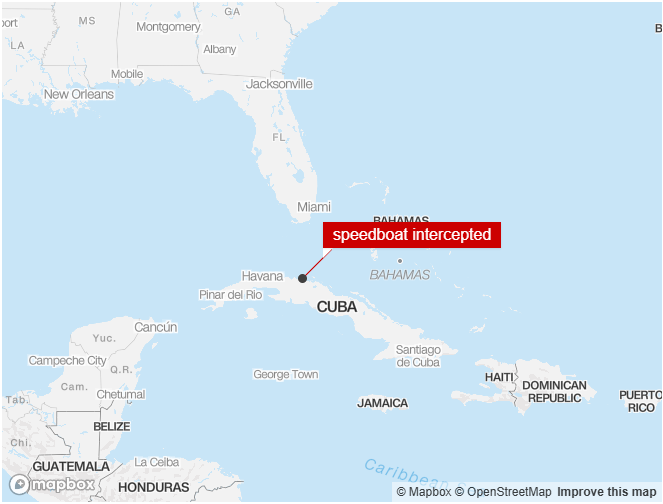
The speedboat, bearing the registration number FL7726SH (a 24-foot powerboat built in 1981), was spotted in Cuban waters near Cayo Falcones (also referred to as Falcones Cay) in Villa Clara Province, central Cuba—roughly 100-145 miles from Florida’s coast. Cuban border guards approached the vessel in their patrol boat to identify it and its occupants, a standard procedure for vessels entering territorial waters.
Reports from Cuban authorities consistently state that someone on the speedboat opened fire first on the approaching Cuban vessel, wounding the commander of the border guard boat. In response, the Cuban forces returned fire, resulting in the deaths of four individuals on the speedboat and injuries to six more. The wounded passengers were reportedly evacuated and provided medical care.
View this post on Instagram
Cuba’s Interior Ministry described those on the boat as “aggressors” in their official statement and emphasized Cuba’s right—and determination—to defend its sovereignty: “In the face of current challenges, Cuba reaffirms its willingness to protect its territorial waters, based on the fact that national defense is a fundamental pillar for the Cuban state in favor of protecting its sovereignty and stability in the region.”
The exact purpose of the speedboat remains unclear. Authorities have not released the nationalities or identities of those aboard, and an investigation is underway to determine why the vessel entered Cuban waters and what led to the shooting.
Reactions from Florida and the U.S.
The news hit close to home in Florida, where Cuban-American communities and politicians reacted swiftly and strongly. Florida Attorney General James Uthmeier directed state prosecutors to assist in any federal or local probe and vowed accountability, saying, “The Cuban government cannot be trusted, and we will do everything in our power to hold these communists accountable.”
U.S. Rep. Carlos A. Gimenez (R-FL), whose district covers parts of South Florida, called the event a “massacre” and urged a thorough investigation to determine if any victims were U.S. citizens or legal residents. He went further, stating that “the regime in Cuba must be relegated to the dustbin of history for its countless crimes against humanity.”
Sen. Rick Scott (R-FL) described the incident as “deeply concerning” and echoed calls for the Cuban government to face consequences. Other figures, like Rep. María Elvira Salazar, said they were monitoring developments closely while awaiting more details from U.S. authorities.
The U.S. State Department and White House were contacted for comment by several outlets, but no immediate public response had emerged at the time of reporting.
Broader Context and Timing
This clash comes at a tense moment in U.S.-Cuba relations. The island is grappling with severe economic difficulties, including a deepening fuel crisis partly blamed on U.S. restrictions blocking oil shipments (notably from Venezuela). Heightened pressure from the current administration has added to the strain.
The timing is especially poignant: the incident occurred around the 30th anniversary of the 1996 Brothers to the Rescue shootdown, when Cuban forces downed civilian planes from a Miami-based humanitarian group, killing four people. Commemorations of that event took place in Miami just a day earlier.
While migrant crossings from Cuba to Florida via boat have been a persistent issue for decades, this case stands out due to the reported gunfire initiated from the speedboat and the involvement of a U.S.-registered civilian vessel—not a U.S. military or Coast Guard asset.
Unanswered Questions
Many details are still emerging:
- Who were the people on the speedboat, and what was their intent?
- Were any U.S. citizens or residents among the dead or injured?
- What prompted the initial shots from the vessel?
As investigations continue on both sides, this incident highlights the volatile mix of migration pressures, territorial disputes, and geopolitical friction in the Florida Straits. For now, it serves as a stark reminder of how quickly routine maritime encounters can turn deadly.