


The tragic bombing of a girls’ elementary school in southern Iran has sparked intense debate, conflicting claims, and calls for accountability amid the ongoing U.S.-Iran conflict. On February 28, 2026, the Shajareh Tayyebeh elementary school in Minab, Hormozgan province—near the Strait of Hormuz—was struck during the opening day of large-scale U.S. and Israeli airstrikes on Iranian targets, part of Operation Epic Fury.
The Incident and Reported Casualties
The attack occurred in the morning hours while classes were in session, before midday. Iranian state media and health officials reported at least 168 deaths, with many victims being schoolgirls aged roughly 7 to 12, along with teachers and the principal. Some local lists named fewer victims (around 57 in one county report), but independent reviews, including by Human Rights Watch, identified at least 48–63 as children based on available names and birthdates. The total death toll cited in various reports ranges up to 175, though these figures remain unverified by neutral on-site investigators due to the active conflict zone. The school suffered severe structural damage, including a collapsed roof, consistent with precision-guided munitions.
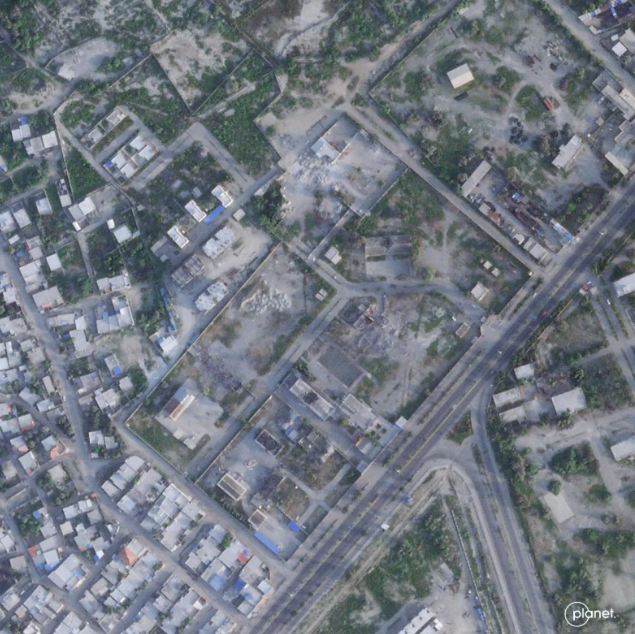
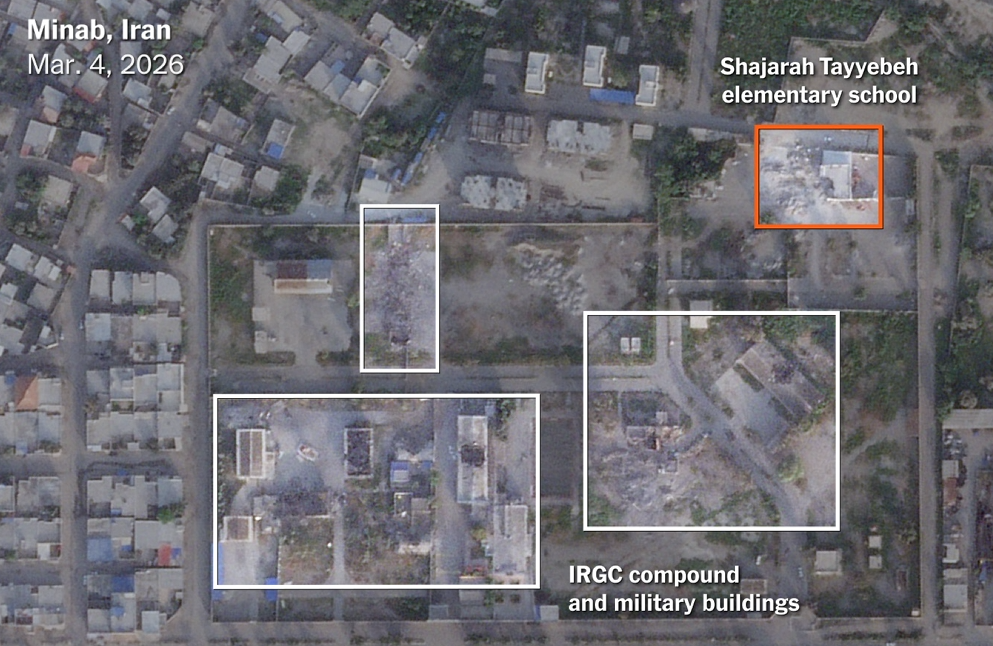
The school sat adjacent to—or on the edge of—an old Islamic Revolutionary Guard Corps (IRGC) naval compound, which Iranian officials described as decommissioned for over a decade. Satellite imagery and geolocated videos show the facility had been physically separated (walled off with its own entrance) and was actively used as a civilian school.
Emerging Evidence on Responsibility
Multiple independent analyses point to the strike originating from U.S. forces:
- Verified video footage (shared by Iran’s Mehr News Agency and examined by outlets like The New York Times and Bellingcat) depicts a missile impact in the area, with experts identifying characteristics matching a U.S. Tomahawk Land Attack Missile—a weapon in the U.S. arsenal but not known to be possessed or used by Iran.
- Satellite images from Planet Labs reveal precision strikes on several buildings in the compound, including the school, with some structures fully destroyed.
- Images of missile fragments (broadcast by Iranian state media) reportedly show markings and serial number styles aligned with U.S. Pentagon labeling.
- U.S. military maps and statements confirm operations targeted southern Iran, including IRGC sites near Minab, while Israeli forces focused primarily on northern air defenses.
Preliminary assessments from U.S. intelligence sources (cited anonymously in Reuters, Associated Press, CBS News, and The Wall Street Journal) indicate the United States is “likely” responsible, possibly due to an error involving outdated intelligence that misidentified the area as an active military installation. No evidence suggests intentional targeting of the school or civilians; the strike appears linked to nearby IRGC facilities.
Iran has blamed the U.S.-Israeli coalition, while no party has formally claimed the school strike itself.
Official Statements and Investigations
President Trump, speaking on March 8, 2026, aboard Air Force One, attributed the bombing to Iran without presenting supporting evidence. He stated: “We think it was done by Iran – because they are very inaccurate, as you know, with their munitions. They have no accuracy whatsoever. It was done by Iran.” He later doubled down, suggesting Tomahawk missiles are not exclusive and speculating Iran could have them, though experts note Iran lacks this specific system (only the U.S., UK, Australia, Japan, and Netherlands operate them, none of the latter involved here).
U.S. officials have taken a more cautious stance:
- Defense Secretary Pete Hegseth said the incident is under investigation and emphasized, “Unlike our adversaries, the Iranians, we never target civilians.”
- The White House described the probe as ongoing, with no conclusions reached, and called premature attributions “irresponsible and false.”
- U.S. Central Command and Joint Chiefs Chairman Gen. Dan Caine referred questions to the active military inquiry.
An Israeli official stated they were unaware of strikes in the area and are reviewing the matter.
Human Rights Watch has urged both the United States and Israel to conduct a prompt, transparent investigation into the attack as a potential war crime, citing laws of war that protect schools as civilian objects and require proportionality (civilian harm not excessive relative to military gain) and precautions to minimize civilian risk. They argue the timing (school hours), location, and precision nature raise serious concerns, even if near a military target.
What’s Your Opinion?
The school bombing unfolded against escalating hostilities, including Iranian retaliatory strikes (such as one killing U.S. soldiers in Kuwait on March 1). No independent international body has accessed the site yet, and definitive attribution may require forensic analysis of remnants.
As investigations continue, the incident underscores the human cost of conflict and the challenges of verifying responsibility in real time during active warfare. All parties emphasize ongoing probes, with no final determinations issued.