

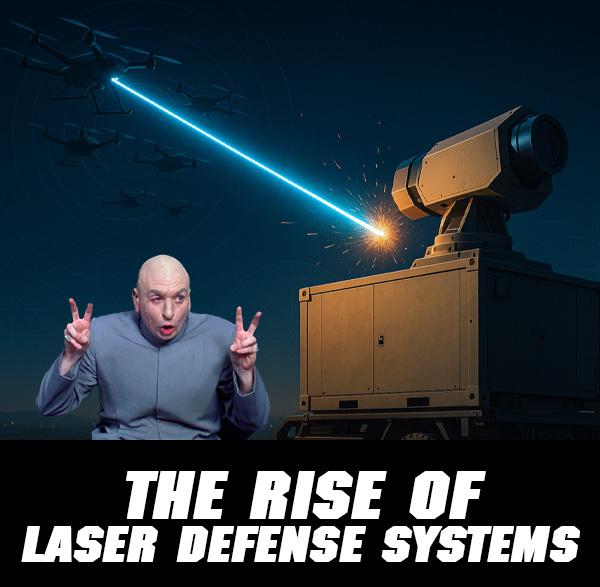
In recent years, the proliferation of drone technology has transformed modern warfare, with drone swarms becoming a significant threat in conflict zones like Ukraine and the Middle East. As nations scramble to bolster their air defenses, a new weapon is gaining traction: lasers. Offering a cost-effective and versatile solution, laser defense systems are poised to become a cornerstone of modern military strategy.
Why Lasers Are the Future of Drone Defense
Drones, especially low-cost models like the plywood-and-Styrofoam “Gerbera” drones used in Ukraine, have exposed vulnerabilities in traditional air defense systems. High-end systems like the American-made Patriot, which costs over $1 billion and uses million-dollar missiles, are designed to intercept high-altitude projectiles, not swarms of cheap, low-flying drones. Meanwhile, low-tech countermeasures—such as nets, rifles, or protective cages—are often too slow or limited to handle fast-moving drone swarms.
Enter laser defense systems. Unlike traditional missile-based defenses, lasers offer:
-
Cost Efficiency: Systems like the Australian-made Apollo laser, developed by Electro Optic Systems, can neutralize drones at a cost of less than 10 cents per shot, compared to millions for missile-based systems.
-
Unlimited Firepower: Powered by electricity, lasers don’t rely on finite ammunition, allowing continuous operation as long as power is available.
-
Precision and Speed: Lasers can target and destroy drones at a rate of up to 20 per minute, making them ideal for countering swarm attacks.
These advantages have made lasers an attractive option for nations facing escalating drone threats, particularly in Europe, where recent Russian drone incursions into Polish airspace have heightened concerns.
Global Adoption of Laser Defense Systems
The urgency to counter drone threats has accelerated the development and deployment of laser systems worldwide. Key examples include:
-
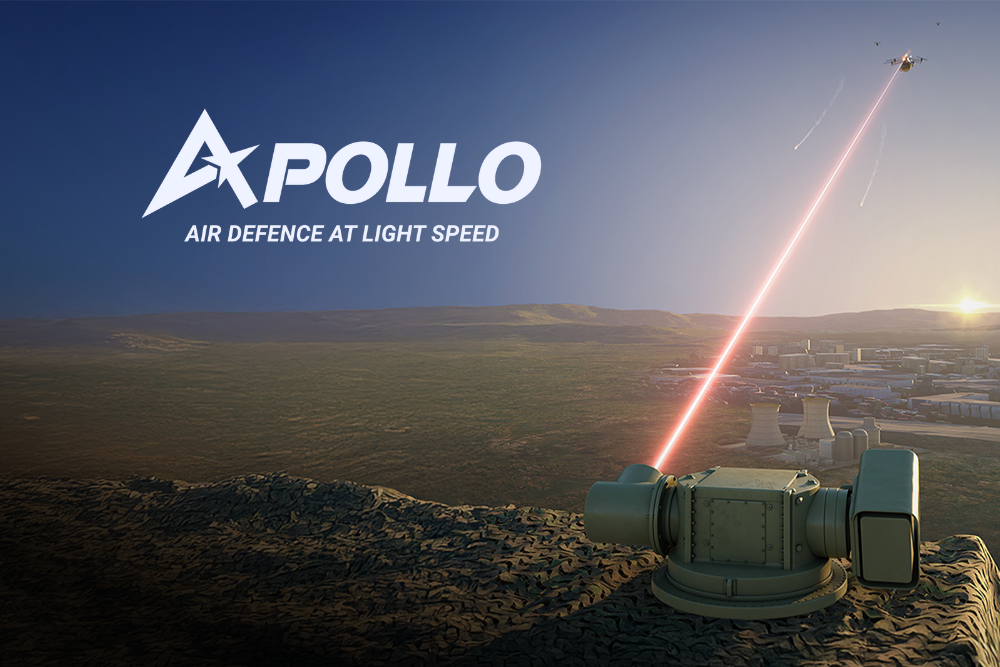
Australia’s Apollo Laser: Electro Optic Systems’ 100-kilowatt laser, priced at $83 million per system, has been purchased by a NATO country in Europe, marking a significant milestone in the global arms market. Deliveries are expected by 2028.
-

Israel’s Iron Beam: Israel, a pioneer in laser technology, is preparing to integrate the Iron Beam into its multilayered air defense system. Capable of intercepting drones, artillery, and mortars, the Iron Beam complements the Iron Dome, which has neutralized nearly 40,000 rockets and missiles in recent years.
-
United States’ Efforts: The U.S. military has been testing laser systems since the 1970s, with a 30-kilowatt laser successfully deployed in the Persian Gulf in 2014. The Pentagon is now working on a one-megawatt laser capable of countering ballistic missiles and hypersonic weapons.
These developments signal a shift toward broader military adoption, with experts predicting that lasers will become a mainstay in future warfare.
Challenges and Limitations
Despite their promise, laser defense systems face several challenges:
-
Weather Sensitivity: Rain, fog, and humidity can disrupt a laser’s precision, limiting its effectiveness in adverse conditions.
-
Limited Range and Power: Most current systems, like the 100-kilowatt Apollo, are effective against drones and smaller projectiles but lack the power to neutralize ballistic missiles. Their range is also limited to a few kilometers.
-
Skepticism in Military Circles: Some European defense officials remain cautious, citing the need for further testing to ensure reliability in real-world scenarios.
However, ongoing advancements in laser technology are addressing these limitations, with higher-power systems in development that could expand their capabilities.
The Strategic Importance of Lasers in Modern Warfare
The wars in Ukraine and Gaza have underscored the need for rapid, cost-effective solutions to counter drone threats. Russia’s massive drone and missile barrages in Ukraine, including an assault involving over 800 drones, have exposed the limitations of traditional air defenses. Similarly, Houthi fighters in Yemen have used low-cost drones to challenge advanced defenses in the Middle East.
Lasers offer a strategic advantage by providing a sustainable and economical defense option. As David C. Stoudt of the Directed Energy Professional Society notes, the low cost per shot and unlimited firepower make lasers “almost the only game in town” for countering drone swarms. This is particularly critical for European nations, which are under pressure to strengthen their defenses amid uncertainties about U.S. military support under potential future administrations.
The Future of Laser Defense Systems
The global arms race for laser technology is just beginning. As countries like Israel, the U.S., and Australia refine their systems, others are likely to follow suit. The integration of lasers into multilayered defense strategies, such as Israel’s Iron Beam alongside the Iron Dome, suggests a future where lasers complement existing systems to provide comprehensive protection.
Moreover, the commercial availability of systems like the Apollo laser indicates a democratization of this technology, making it accessible to more nations. However, concerns remain about adversaries potentially exploiting this technology, prompting countries like the U.S. and Israel to restrict exports of their most advanced systems.