

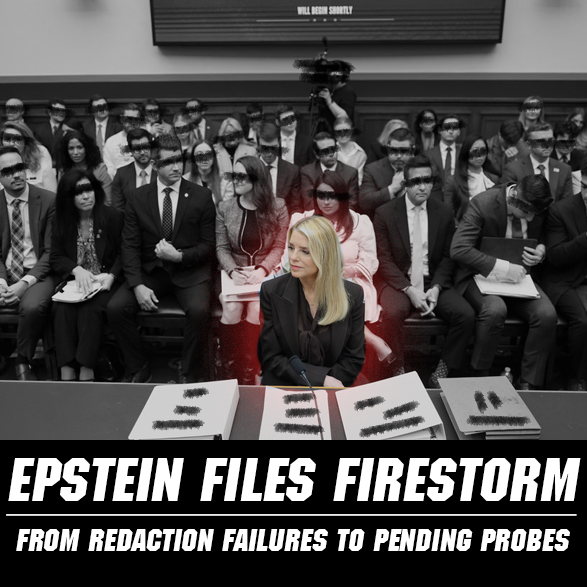
The fiery House Judiciary Committee hearing on February 11, 2026, put Attorney General Pam Bondi squarely in the spotlight as she defended the U.S. Department of Justice’s (DOJ) handling of the Jeffrey Epstein files. The session, an oversight hearing rather than a confirmation (Bondi was confirmed as AG in early 2025), featured intense bipartisan scrutiny, emotional testimonies from Epstein survivors, personal clashes, and debates over transparency, redactions, and accountability in one of the most high-profile sex-trafficking cases in U.S. history.
Background on the Epstein Files Release
Under legislation like the Epstein Files Transparency Act (signed during the Trump administration with bipartisan backing), the DOJ released millions of pages—over 3 million documents and around 180,000 images—related to Jeffrey Epstein, the convicted sex offender who died in 2019. The goal was greater public transparency about Epstein’s network, victims, and any potential co-conspirators.
However, the release drew immediate backlash:
- Critics highlighted inadequate redactions that exposed sensitive victim information (including nude images of survivors in some cases), affecting at least 31 victims.
- Conversely, some powerful non-victim names (e.g., businessman Les Wexner) appeared improperly redacted or shielded, fueling accusations of selective protection for influential figures.
- Bipartisan lawmakers, including Republicans like Rep. Thomas Massie (R-KY), called the redaction failures a major issue—Massie even likened it to “bigger than Watergate.”
Bondi emphasized the DOJ’s massive effort: a 30-day review by 500 lawyers to balance transparency with victim privacy under tight deadlines. She promised corrections for errors, including unredacting improperly shielded names and re-redacting victim details.
Key Moments from the Hearing
The over-five-hour session was marked by dramatic exchanges:
- Survivors’ Presence and Emotional Confrontation — Epstein victims attended wearing white. Rep. Pramila Jayapal (D-WA) asked them to stand if they hadn’t met with the DOJ about their cases—all did. Jayapal demanded an apology for the mishandling; Bondi expressed general “deep sorrow” for victims’ abuse but declined a direct apology, calling some questioning “theatrics.”
- Redaction Disputes and Bipartisan Criticism — Rep. Ted Lieu (D-CA) displayed unredacted photos from files (including one of Prince Andrew, with no criminal context noted) and criticized lack of prosecutions. Massie pressed on accountability for errors, while Bondi defended actions and quickly addressed specific cases like Wexner (noting no evidence of trafficking ties per FBI Director Kash Patel).
- Personal Attacks and Partisan Clashes — Bondi sparred heatedly with Democrats, calling Rep. Jamie Raskin (D-MD) a “washed-up loser lawyer” and using a binder for opposition research on questioners (e.g., donations or past statements). One Democrat stormed out after Bondi’s responses. Republicans like Chair Jim Jordan (R-OH) praised Bondi’s focus on crime reduction, immigration enforcement, and ending “lawfare.”
- Broader DOJ Topics — Questioning extended to fatal shootings by immigration agents in Minneapolis, alleged weaponization against Trump’s critics, hiring a pardoned Jan. 6 participant, and probes into figures like former CIA Director John Brennan. Bondi often pivoted to administration successes (e.g., crime drops in cities) or declined specifics on ongoing investigations.
- Ghislaine Maxwell and Prosecutions — Bondi stated she hopes Maxwell “dies in prison” and mentioned “pending investigations” into Epstein associates, countering earlier DOJ statements suggesting no new prosecutions.
Criticisms and Reactions
Democrats accused Bondi of orchestrating a “cover-up” to protect powerful men and weaponizing the DOJ against political opponents, while abdicating civil rights enforcement. The Lawyers’ Committee for Civil Rights Under Law issued a sharp statement on February 11, 2026, criticizing Bondi for misrepresenting the DOJ’s post-Civil War origins (focused on protecting Black communities and equal rights) and turning it into “an arm of authoritarianism” to shield Trump allies.
Some conservatives expressed frustration over insufficient Epstein prosecutions, with Rep. Nancy Mace (R-SC) saying she “lost all faith” in the DOJ on this front.
Bondi framed her leadership as prioritizing violent crime, victim protection, and rule of law—while touting transparency in the files’ release under Trump.
What It Means Moving Forward
The hearing underscored deep divisions over the Epstein case’s legacy, DOJ independence, and transparency in high-profile matters. No votes or major decisions occurred—it was pure oversight—but Bondi committed to fixing redaction issues and pursuing wrongdoing where evidence exists.
As debates continue, the Epstein files remain a flashpoint, highlighting challenges in balancing public disclosure with survivor privacy in complex, decades-old investigations.
This session reflects broader tensions in U.S. justice policy under the current administration. Stay tuned for any follow-up actions from Congress or the DOJ on file corrections and potential new probes.