

The escalating conflict in the Middle East has taken a dramatic turn, with Israel’s military launching intense airstrikes across Lebanon in response to Hezbollah’s rocket and drone attacks—the group’s first major breach of a fragile November 2024 ceasefire. These developments follow the shocking assassination of Iran’s Supreme Leader Ayatollah Ali Khamenei in a joint US-Israeli operation against Iran over the weekend of late February 2026.
The Spark: Khamenei’s Killing and Hezbollah’s Retaliation
On February 28, 2026, US and Israeli forces struck high-value targets in Iran, including in Tehran, resulting in the death of Ayatollah Ali Khamenei, Iran’s supreme leader since 1989, along with other senior officials and significant casualties (reports indicate hundreds killed across Iran). This operation marked a major escalation in long-standing tensions, with some sources describing it as aimed at regime change.
Hezbollah, Iran’s key proxy in Lebanon, condemned the strike as “the height of criminality” by “American and Zionist aggression.” In a statement, the group vowed to confront the US and Israel, declaring it would not abandon “the field of honour and resistance” despite potential sacrifices. On Sunday night into Monday, March 2, Hezbollah launched rockets and drones toward northern Israel in retaliation for Khamenei’s death and in defense of Lebanon—its first such claimed action since the 2024 ceasefire.
Israel’s Response: Precision Strikes on Hezbollah Leadership and Infrastructure
The Israel Defense Forces (IDF) responded swiftly with widespread airstrikes across Lebanon, beginning overnight into March 2, 2026, and continuing throughout the day. Targets included Hezbollah command centers, rocket launch sites, weapon depots (around 70 reported), financial networks like branches of Al-Qard al-Hasan (accused of facilitating Iranian funding), and senior operatives in Beirut and southern Lebanon.
Key confirmed eliminations:
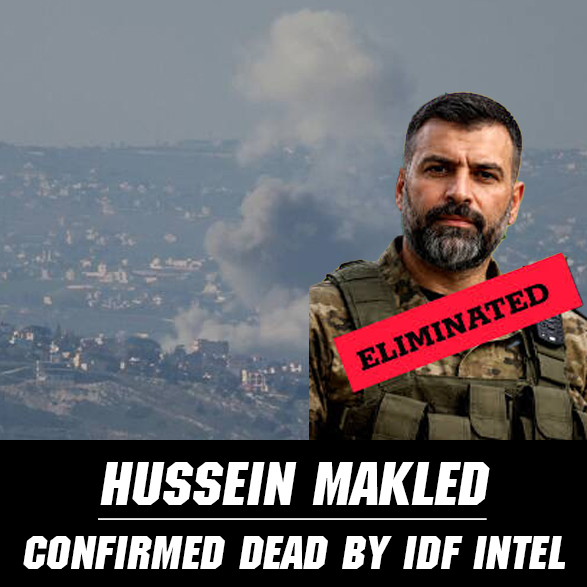
- Hussein Makled (also spelled Moukalled or Meklad), head of Hezbollah’s intelligence headquarters. The IDF described him as key to gathering intelligence on Israeli forces, assessing threats, and coordinating terror attacks.
- Mohammad Raad, longtime head of Hezbollah’s parliamentary bloc (Loyalty to the Resistance Bloc) and a prominent political figure in Lebanon since 2000. He was US-sanctioned in 2019 for supporting terrorism. Some reports note he was among at least 10 killed in Beirut strikes.
- Adham al-Othman, a senior Palestinian Islamic Jihad (PIJ) commander in Lebanon.
Israeli officials emphasized the strikes’ precision and necessity. Defense Minister Israel Katz declared Hezbollah leader Naim Qassem a “marked target for elimination,” warning that following Khamenei’s path leads to the “depths of hell.” IDF Northern Command chief Maj. Gen. Rafi Milo stated Hezbollah chose “the Iranian Regime over the State of Lebanon” and would pay a heavy price, with evacuation warnings issued for southern Lebanese villages ahead of further operations. IDF spokesman Brig. Gen. Effie Defrin noted additional strikes were planned, highlighting the group’s breach of the ceasefire.
Lebanese health authorities reported at least 31–52 killed (figures vary by source) and many injured in the strikes, though distinctions between civilians and militants were not always clear. Civilian displacement surged, with shelters opened and roads clogged as people fled southern areas.
Lebanon’s Government Takes a Stand
In a significant move, Lebanese Prime Minister Nawaf Salam announced that Lebanon would prohibit Hezbollah’s military and security activities outside state control, demanding the group hand over its weapons to the Lebanese state. He stressed that “the decision of war and peace” rests solely with legitimate institutions. President Joseph Aoun echoed this, condemning Israeli aggression while warning against using Lebanon as a proxy battleground.
Hezbollah criticized the government’s stance as inadequate in the face of Israeli actions.
Broader Context and Implications
This flare-up risks unraveling the US-brokered November 2024 ceasefire, which ended a yearlong Israel-Hezbollah war that weakened the group significantly (including the killing of former leader Hassan Nasrallah). Ongoing Israeli operations in Lebanon since then have violated the truce in Israel’s view of preventing threats, but Hezbollah’s direct attack marks a new phase—potentially drawing in wider regional actors amid the active US-Israel campaign against Iran.
The events highlight the interconnected nature of conflicts involving Iran’s “Axis of Resistance,” with Hezbollah’s loyalty to Tehran now clashing with Lebanon’s fragile post-war recovery.
As tensions rise, international calls for restraint grow, but with leadership losses on both sides and vows of continued retaliation, the region remains on edge.