


On July 16, 2025, Israel launched a series of airstrikes targeting Syria’s defense ministry, marking the third consecutive day of military operations in the region. These attacks are part of an escalating conflict that has raised concerns about stability in the Middle East.
What Happened in Syria?
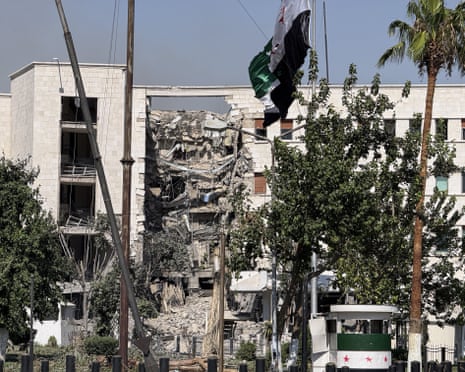
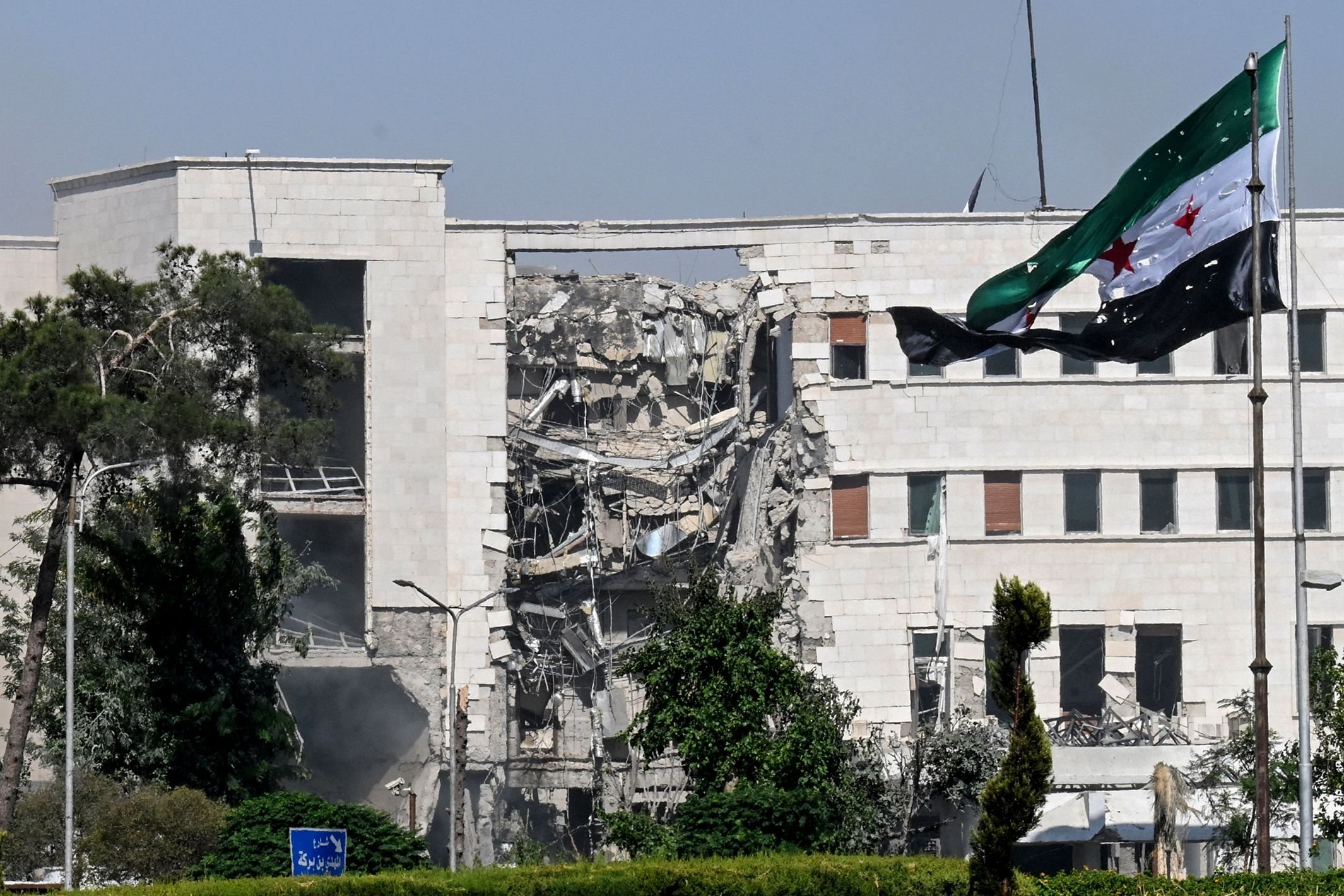
On Wednesday, July 16, 2025, Israeli forces conducted precision airstrikes on key Syrian military infrastructure, with a primary focus on the Syrian defense ministry. According to reports, the strikes aimed to disrupt alleged weapons stockpiles and military facilities that Israel claims are linked to Iran-backed groups. This follows two days of similar attacks, signaling a significant uptick in Israel’s military engagement in Syria.
The Syrian government condemned the strikes, calling them a violation of sovereignty, while Israel has justified the operations as necessary for national security. No official casualty figures have been confirmed, but local sources report significant damage to targeted sites.
Why Is Israel Targeting Syria?
Israel’s recent actions in Syria are driven by its ongoing efforts to counter Iran’s influence in the region. For years, Israel has conducted airstrikes in Syria to prevent the transfer of advanced weapons to groups like Hezbollah, which Israel considers a threat. The Syrian defense ministry, a key player in the country’s military operations, has been accused of facilitating these transfers.
Tensions have been high since the Israel-Hamas conflict intensified, with ripple effects across the Middle East. Syria, already weakened by years of civil war, remains a strategic battleground for regional powers, making it a focal point for Israeli military operations.
What Does This Mean for the Region?
The latest wave of attacks raises several questions about the future of the Israel-Syria conflict:
-
Escalation Risks: Continued airstrikes could provoke retaliatory actions from Syria or its allies, potentially escalating into a broader conflict.
-
Iran’s Role: Israel’s focus on Iran-backed targets may strain relations further, as Iran continues to support groups like Hezbollah.
-
Humanitarian Impact: Syria’s already fragile infrastructure could face further strain, exacerbating the humanitarian crisis in the country.
Analysts are closely watching how Syria, Iran, and other regional players respond. The international community, including the United Nations, has called for de-escalation to prevent further instability.
What’s Next?
As the situation unfolds, the world is watching to see if diplomatic efforts can ease tensions or if the conflict will intensify. Israel has reiterated its commitment to neutralizing threats, while Syria has called for international condemnation of the strikes. The coming days will be critical in determining the trajectory of this volatile situation.
Stay informed by following credible news sources and monitoring updates from the region. Understanding the complexities of this conflict is key to grasping its broader implications for global security.