


Michigan Church Shooting: Thomas Jacob Sanford
On Sunday morning, Thomas Jacob Sanford, an Iraq War veteran who served from 2004 to 2008, carried out a mass shooting at a Church of Jesus Christ of Latter-day Saints in Grand Blanc, Michigan. According to authorities, Sanford rammed his Chevy Silverado truck into the church before opening fire with a semi-automatic rifle. The attack resulted in two fatalities and at least nine injuries.
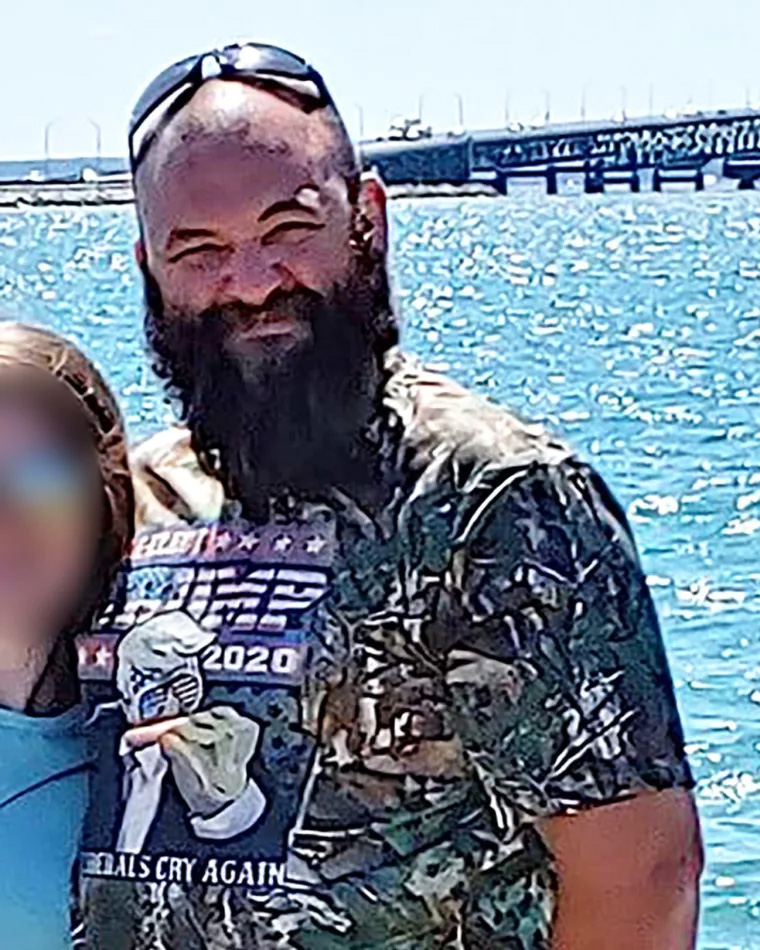
Police engaged Sanford at the scene, and he was fatally shot following a brief exchange of gunfire. Social media accounts believed to be associated with Sanford reveal a complex portrait of the suspect. Posts included images of him posing with firearms and dead animals, alongside depictions of a family man married with a young son. A 2015 GoFundMe campaign raised over $3,000 to support Sanford’s son, who was born with congenital hyperinsulinism (CHI), a rare genetic disorder.
A photo circulating online shows a vehicle with an Iraq War veteran sticker on the license plate, believed to be linked to Sanford. These details have raised questions about his mental state and the factors that may have contributed to this tragic act.
North Carolina Bar Shooting: Nigel Max Edge
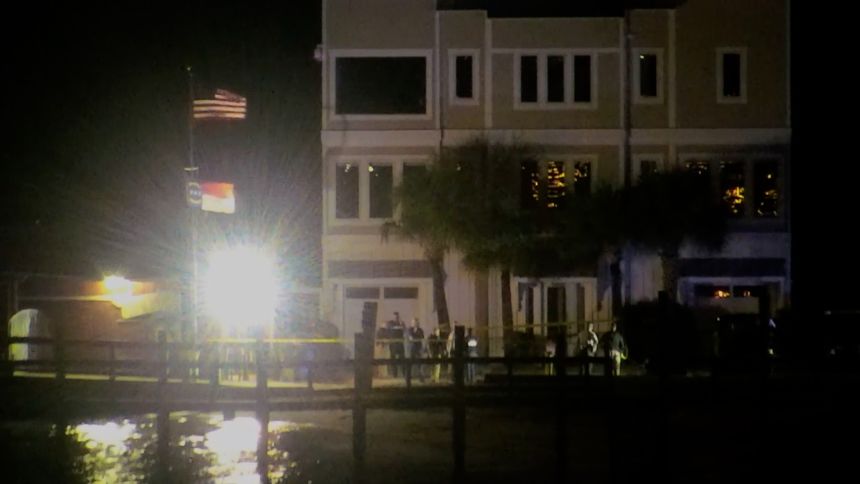
Just hours earlier, on Saturday night, another former Marine, Nigel Max Edge, opened fire at a crowded waterfront bar, the American Fish Company, in Southport, North Carolina. Edge, who reportedly fired from a boat, killed three people and injured five others. The 40-year-old suspect, a resident of Oak Island, is a combat-wounded Iraq veteran with a documented history of mental illness and post-traumatic stress disorder (PTSD), according to the News & Observer. Edge, who previously went by the name Sean DeBevoise, was taken into custody.
Edge faces multiple charges, including:
-
Three counts of first-degree murder
-
Five counts of attempted first-degree murder
-
Five counts of assault with a deadly weapon with intent to kill inflicting serious injury
These charges reflect the severity of the attack and the significant loss of life and injury caused by Edge’s actions.
The involvement of two Iraq War veterans in these mass shootings has brought renewed attention to the challenges faced by military veterans, particularly those struggling with PTSD and other mental health issues. According to the U.S. Department of Veterans Affairs, approximately 11-20% of veterans who served in Iraq and Afghanistan experience PTSD in a given year. The combination of combat-related trauma, access to firearms, and insufficient mental health support can create a volatile situation.
Mass shootings by veterans represent a small but disproportionate share of such incidents in the U.S., with studies showing that about 26-28% of mass shooters since the 1960s have military backgrounds, compared to roughly 7% of the general adult population. This pattern has continued into 2024 and 2025, amid broader concerns about PTSD, mental health access, and radicalization among some veterans. Below, I summarize the most recent confirmed cases from 2025 (and late 2024 for context), based on reports from law enforcement, news outlets, and databases like the Gun Violence Archive. These incidents are defined as shootings with four or more victims injured or killed (excluding the shooter)
Thomas Jacob Sanford & Nigel Max Edge both suspects in recent mass shooting incidents (Southport, NC on September 27, 2025, and Grand Blanc, MI, on September 28, 2025) share several notable parallels. Below is a breakdown of key similarities, based on official reports and details from the investigations.
Core Similarities
- Age: Both suspects are 40 years old. Nigel Max Edge is 40, and Thomas Jacob Sanford is also 40.
- Military Background:
- Both have ties to military service, with claims or confirmed records of combat experience and potential mental health struggles stemming from it.
- Edge claimed to be a combat veteran suffering from PTSD.
- Sanford was a decorated former U.S. Marine who served in Iraq, with a “stellar” service record.
- Possible Motives:
- Both attacks were described as highly premeditated and targeted specific locations (a waterfront restaurant in Edge’s case and an LDS church in Sanford’s), suggesting deliberate planning rather than spontaneous acts.
- Mental health and personal grievances appear to play a role in both cases: Edge’s PTSD claims and history of civil lawsuits (including against law enforcement) point to potential grudges or unresolved trauma; Sanford’s motive remains under investigation, but a cryptic social media post by his mother about “avoiding accountability” and his possible lack of connection to the LDS church hint at personal or ideological conflicts, potentially exacerbated by his military past.
- Neither had significant prior criminal histories—Edge had only minor law enforcement contacts, and Sanford was not previously known to police—indicating these acts may stem from escalating personal issues rather than a pattern of violence.
Additional Shared Traits
- Method and Execution: Both used rifles in their attacks (Edge from a boat on the water reportedly used a suppressed AR 15 SBR with a folding stock, Sanford after ramming a truck into the building) and fled or attempted to flee immediately after (Edge down the Intracoastal Waterway; Sanford engaged police in the parking lot).
- Solo Actors: Authorities confirmed both acted alone, with no ongoing threat to the public post-arrest/shootout.
- Impact: Each incident resulted in multiple fatalities (three deaths in Southport, four including Sanford in Grand Blanc) and injuries, affecting civilians in social/gathering settings.
These parallels have drawn media attention amid a wave of targeted violence, though investigations are ongoing and motives could evolve with new evidence.
As of late September 2025, the U.S. has seen over 320 mass shootings (per Gun Violence Archive), with at least 3 involving confirmed veterans this year alone. This aligns with historical data: Veterans are overrepresented in mass casualty events, particularly those with planning or extremist elements, due to factors like combat training, access to weapons, PTSD (affecting ~30% of Iraq/Afghanistan vets), and barriers to mental health care.
Many recent cases involve Iraq/Afghanistan-era vets in their 30s-40s, with potential PTSD, isolation, or ideological grievances (e.g., anti-government or religious targeting). Research emphasizes that military service alone doesn’t cause violence—it’s a “risk factor” amplified by untreated trauma or societal disconnection. Calls for better VA support and “leakage” detection (warning signs shared with others) are growing among experts.